Building Automation Solutions
LC Anderson’s building automation and HVAC controls solutions help commercial and institutional facilities improve system visibility, strengthen operational performance, reduce unnecessary service activity, and make more informed decisions about maintenance, upgrades, and long-term facility planning.
Integrated Building Automation and HVAC Controls
Building performance issues are seldom isolated. A persistent comfort complaint or a sudden spike in energy use is often the result of a disconnect between mechanical hardware and the digital sequences governing them.
When these systems are managed by separate vendors, diagnostics are slower and solutions can be temporary. LC Anderson provides a single point of responsibility. By integrating deep mechanical knowledge with controls expertise, we eliminate the friction between service and programming. This allows our clients to diagnose issues with precision, respond more effectively, and make informed decisions about their facility’s long-term operational health.
The Advantage of Integrated Expertise
In many commercial facilities, HVAC service and Building Automation Systems (BAS) are handled by separate firms. When a system underperforms, the facility manager is often caught between conflicting diagnoses, leading to increased downtime and redundant service costs.
LC Anderson provides BAS and mechanical alignment to deliver holistic HVAC solutions:
- Unified Diagnostics: Our team understands the relationship between the mechanical components and the software configurations. Whether a failure originates in a mechanical component or a programming sequence, we provide a single, definitive resolution.
- Mechanical-First Programming: We prioritize the physical integrity of your assets. Our controls strategies are designed specifically to support mechanical performance, ensuring that automation sequences protect and extend equipment life.
- Rapid Response and Resolution: Integrated expertise allows for more efficient troubleshooting. When a remote monitoring alert is triggered, our technicians can immediately correlate the digital data with known mechanical behaviors, often resolving issues before they impact building occupants.
- Operational Continuity: We maintain a comprehensive history of both the mechanical and digital ecosystems of your building, providing a more cohesive path for maintenance and future planning.
- Open System Advocacy: We prioritize the use of open, industry-standard protocols—such as BACnet, Modbus, and Lonworks—to ensure your facility remains flexible. This alignment provides a holistic HVAC solution where the customer retains full ownership of their system and the freedom to choose their service provider.
Optimizing Current Building Automation Assets
Not every facility needs a controls upgrade. In many cases, the more immediate opportunity is to extract more value from the system already in place.
LC Anderson helps facilities troubleshoot existing BAS issues, improve the accuracy of alarm notifications, and address recurring problems that continue to surface without a clear resolution.
Our process involves a technical review of sequences, schedules, and system communication to identify the root cause of performance gaps. By refining the current configuration, we help facilities:
We tune thresholds and notification parameters so your team can focus on the critical issues.
We strengthen remote access and monitoring capabilities, allowing for faster off-site diagnostics and fewer unnecessary service visits.
We identify and correct points where sensors or controllers are failing to communicate correctly with the front-end software.
Many facilities operate with legacy or proprietary systems that are increasingly difficult to maintain.
When components become obsolete, service options are limited, or the system fails to provide the necessary data, a modernization strategy is required.
LC Anderson evaluates current infrastructure to identify logical upgrade paths. We focus on making systems easier to service and more reliable through a structured transition.
For facilities with budget or operational constraints, we can implement a phased approach. This allows for the strategic replacement of high-priority or high-failure components first, improving reliability without the need for a full system “rip and replace.”
We specialize in connecting modern automation hardware with existing mechanical assets. This provides a seamless transition where new programming effectively communicates with legacy equipment.
Every modernization project includes rigorous startup and commissioning. Our technicians verify that all new sequences are fully functional and that the system is optimized for the building’s current operational requirements.
We prioritize configurations that utilize open protocols, specifically industry standards like BACnet, Modbus, and LonWorks. This can reduce dependence on proprietary hardware or software, giving you greater flexibility in choosing service partners, planning future projects, and accessing your building’s operational data.
Continuous Performance Optimization
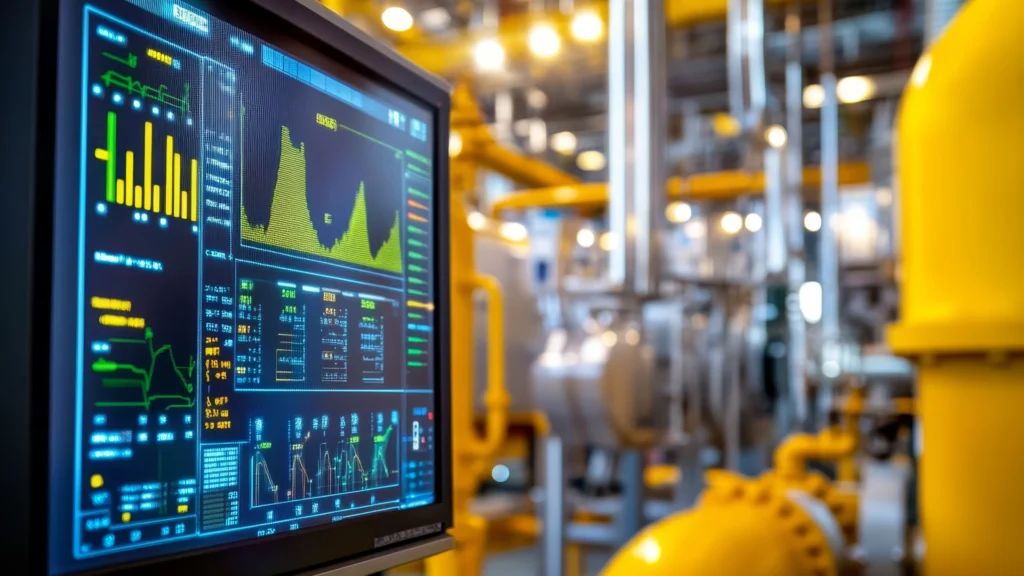
Beyond troubleshooting and modernization, building automation provides the data necessary to improve facility performance over time. LC Anderson helps facilities transition from reactive repairs to proactive management by utilizing real-time system data.
We adjust notification parameters to ensure that alerts are actionable and reach the right personnel before a minor deviation becomes a critical failure.
Buildings change over time. We periodically review and adjust schedules and sequences to ensure they still align with current occupancy and usage patterns.
Through secure remote access, our team can provide immediate technical support. This allows for rapid diagnostics and, in many cases, remote resolution of software or sequence issues, reducing the need for on-site service calls.
Indicators for Technical Review
Operational inefficiencies often manifest as recurring mechanical or environmental issues. Identifying these indicators early can prevent equipment failure and stabilize operating costs.
Your facility may require a controls assessment if you are experiencing:
- Persistent Environmental Deviations: Frequent occupant complaints regarding temperature or humidity that cannot be resolved through standard mechanical service.
- Lack of System Visibility: Inability to remotely monitor equipment status, adjust setpoints, or access historical performance data.
- Escalating Energy Consumption: Unexplained increases in utility costs that suggest systems are operating outside of intended schedules or sequences.
- Asset Obsolescence: Difficulty sourcing replacement parts for legacy controllers or limited technical support for proprietary software platforms.
- Vendor Fragmentation: Instances where mechanical service and controls programming are poorly coordinated, leading to conflicting diagnoses and unresolved system issues.
Sector Expertise
Life Sciences
Healthcare
Private Education
Contact Us
If your facility is managing legacy systems, limited visibility, or recurring performance gaps, a technical review of your current BAS and mechanical alignment is the first step toward optimization.
Contact LC Anderson to discuss your facility’s requirements and evaluate your options for modernization or performance tuning.