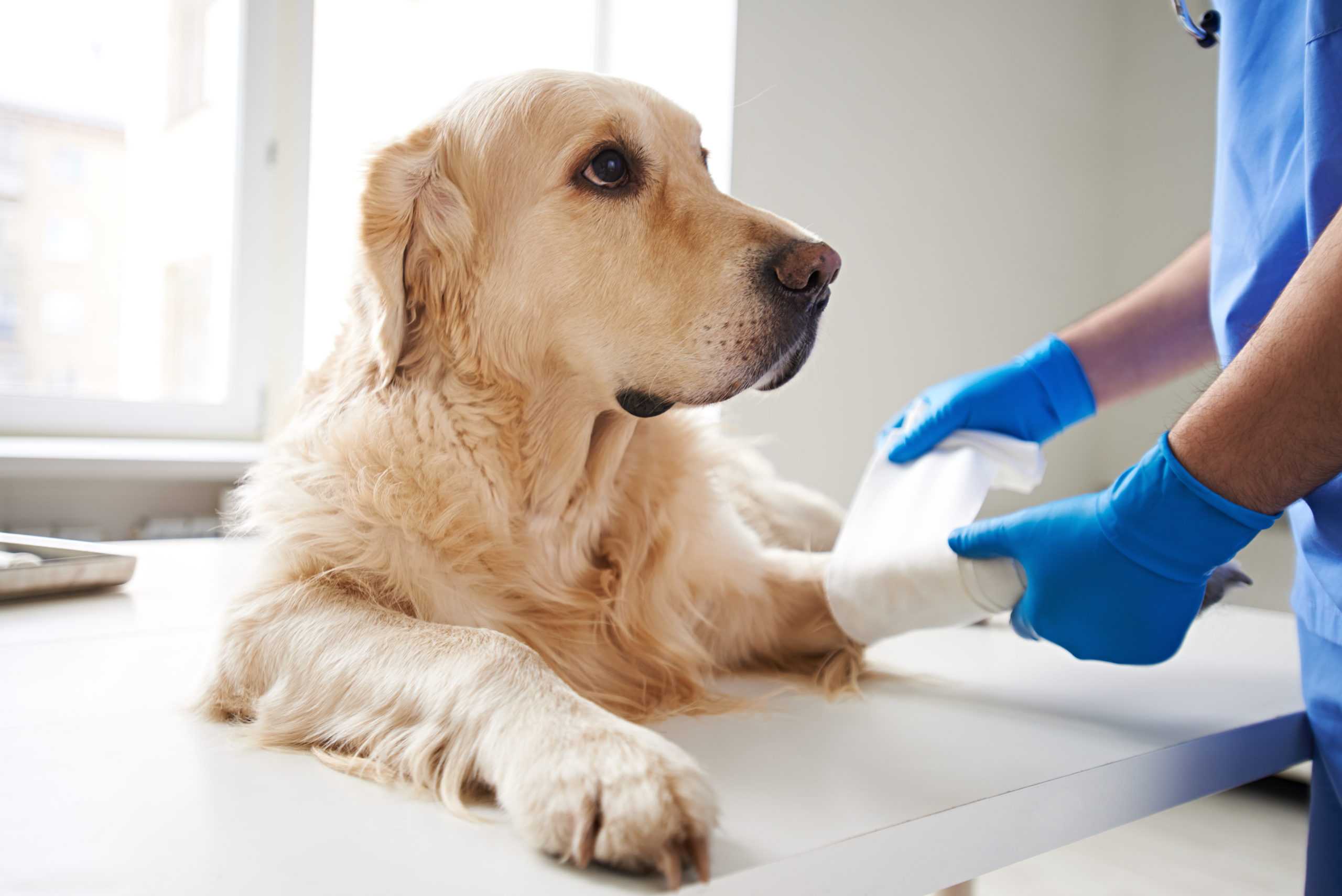
Controlling humidity, temperature, and indoor air quality are important in any building, and essential where health is a priority. Veterinary facilities have a lot at stake while caring for a variety of furry, feathered, and four-legged patients. This means keeping them comfortable, calm, and safe from encountering any additional health problems during their stay.
HVAC systems in veterinary environments work harder than in many other settings. They must manage odor, moisture, airborne particles, and pathogens while keeping animals and staff comfortable. That’s why taking a proactive approach to maintenance and equipment planning is key to avoiding critical situations and extended downtime.
Why Controlling Humidity Matters in Veterinary Facilities
Humidity control is one of the most important — and often overlooked — aspects of HVAC in animal care environments. Without it, facilities face risks such as:
Equipment Protection – Consistent humidity control helps protect HVAC equipment and facility infrastructure from corrosion and damage.
Mold and Bacteria Growth – High humidity encourages the spread of mold, mildew, and harmful bacteria that can affect animals and staff.
Infection Control – Proper humidity levels help reduce airborne pathogens, improving air quality and supporting healthier outcomes for patients.
Odor Management – Controlling moisture reduces the intensity of animal-related odors that can linger in the air and surfaces.
Animal Comfort & Stress – Both excessively dry and overly humid conditions can cause discomfort, stress, and respiratory issues for animals.
Risk Management for Controlling Humidity, Temperature & Air Quality
The life of commercial HVAC systems depends on a variety of factors. On average, you can expect your equipment to last 15-20 years if it is well maintained.
15 Years or More
If equipment is at or beyond its expected life, develop a replacement plan. Signs that indicate replacement is imminent include uneven cooling or heating, unusual noises, strange odors, and chronic repairs.
Older than 10 Years
For systems over 10 years old, especially critical equipment with a heavy-duty cycle, a full system assessment and planned maintenance schedule are recommended to prevent emergencies.
10 Years or Less
Even newer systems benefit from a planned maintenance program. Stress on compressors or heat exchangers can shorten lifespan, and longer lead times for parts make early detection essential.
If your HVAC system goes down for any extended period, it’s more than a critical risk — it’s a crisis for your patients and your staff.
The LC Anderson Difference
We know that pets are family. We’re pet owners too. When it comes to the comfort and safety of healthcare environments, responsive service makes a difference. You can count on LC Anderson to provide quality and responsive HVAC service 24/7/365.
Start planning now if your equipment is close to or beyond its expected life. At the very least, a quarterly inspection is well worth the investment.
Schedule a complimentary HVAC system health inspection with us today.
Updated August 2025: This article has been refreshed to reflect current best practices and ongoing considerations for HVAC in veterinary facilities.